feature_showcase What students actually do
Three of the most-loved moments inside a Simbound run, from the first strategy session to the final pitch.
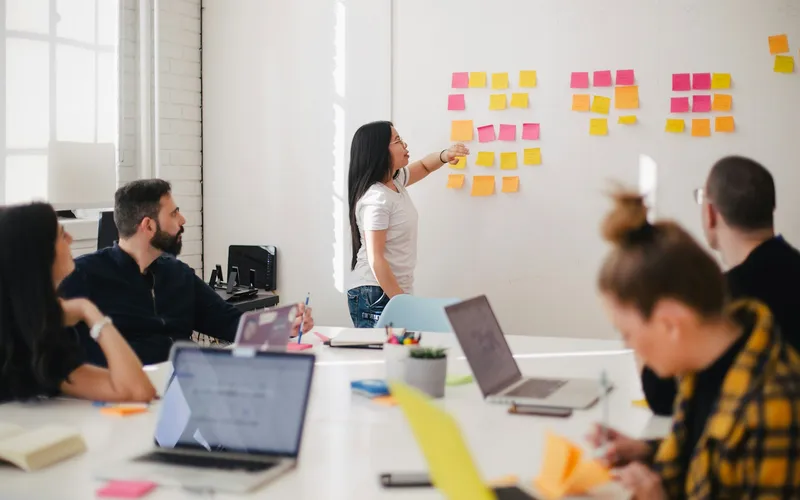
Strategy session
Why simulation-based learning works
Simulations let students experiment with marketing decisions in a low-stakes environment. They get immediate feedback on budget allocation, channel mix, and creative choices.
Key learning outcomes
- Strategic budget allocation across paid and organic channels.
- Reading dashboards to identify performance bottlenecks.
- Defending decisions in front of a virtual stakeholder panel.
After five rounds, most teams arrive at a defensible media plan that mirrors what working professionals produce on the job.
Live campaign dashboard
Why simulation-based learning works
Simulations let students experiment with marketing decisions in a low-stakes environment. They get immediate feedback on budget allocation, channel mix, and creative choices.
Key learning outcomes
- Strategic budget allocation across paid and organic channels.
- Reading dashboards to identify performance bottlenecks.
- Defending decisions in front of a virtual stakeholder panel.
After five rounds, most teams arrive at a defensible media plan that mirrors what working professionals produce on the job.
Final stakeholder pitch
Why simulation-based learning works
Simulations let students experiment with marketing decisions in a low-stakes environment. They get immediate feedback on budget allocation, channel mix, and creative choices.
Key learning outcomes
- Strategic budget allocation across paid and organic channels.
- Reading dashboards to identify performance bottlenecks.
- Defending decisions in front of a virtual stakeholder panel.
After five rounds, most teams arrive at a defensible media plan that mirrors what working professionals produce on the job.